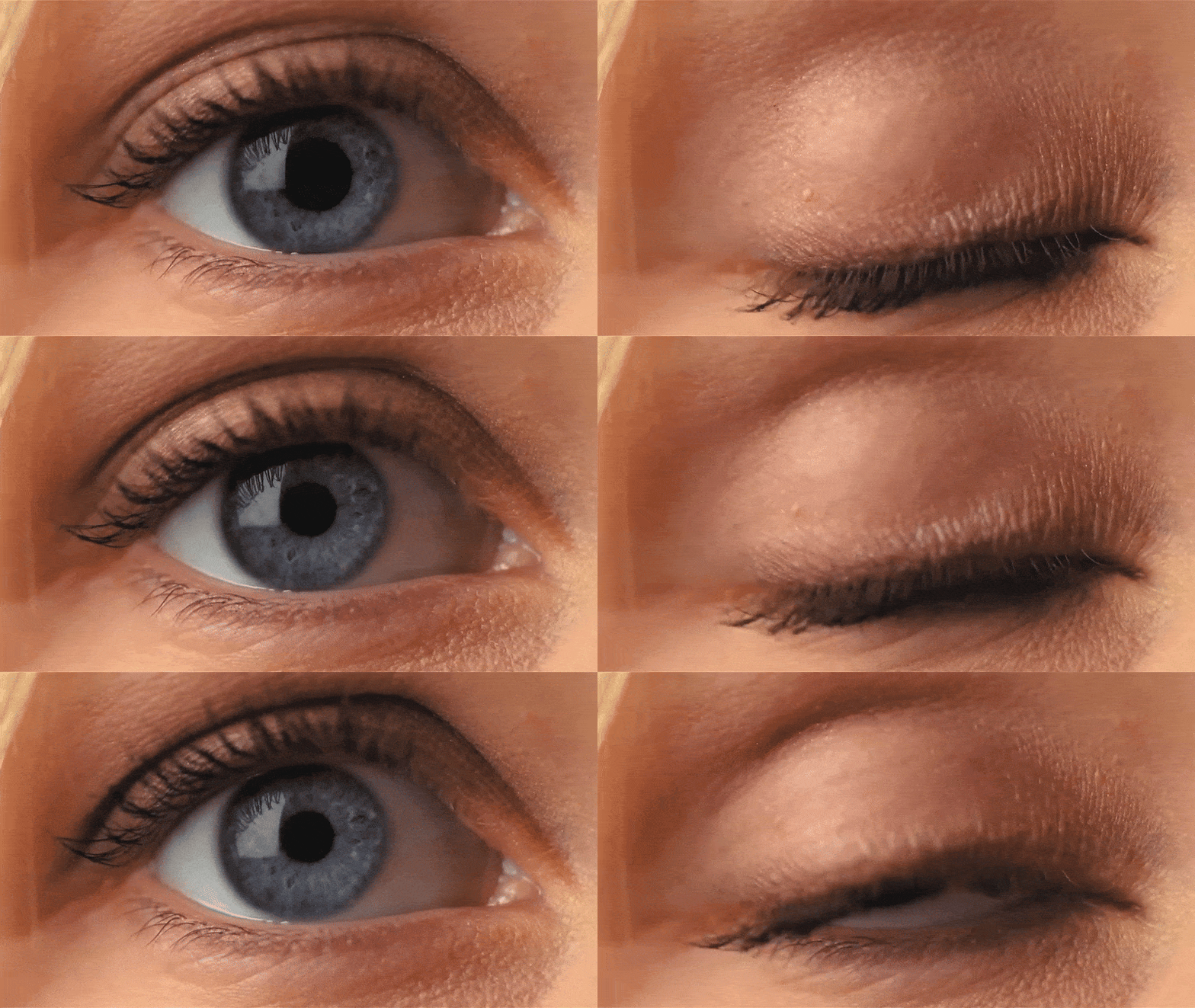
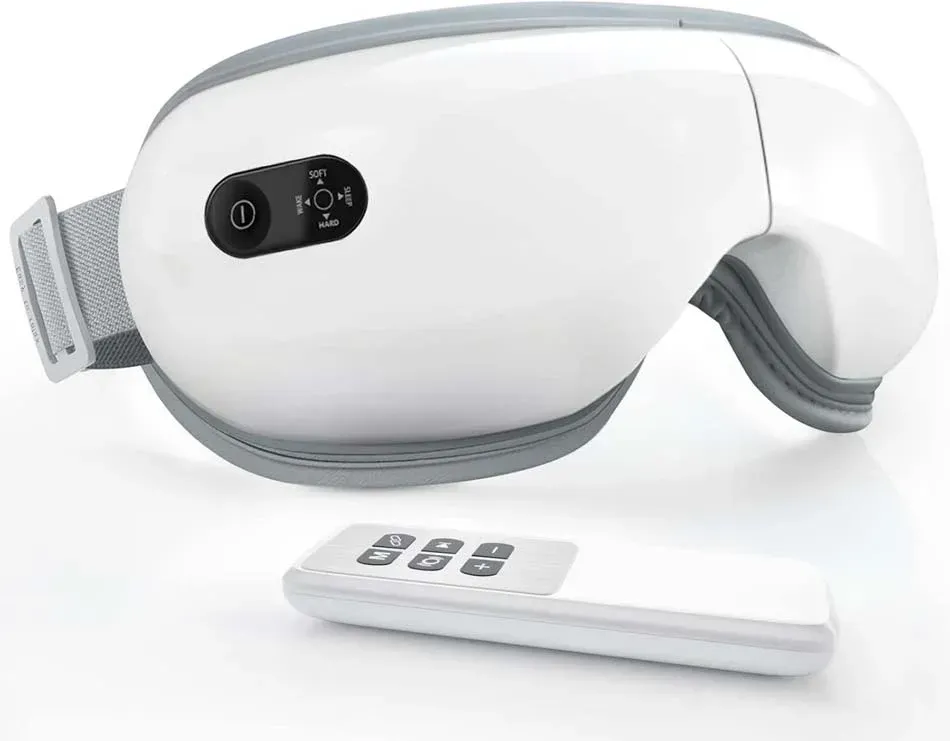
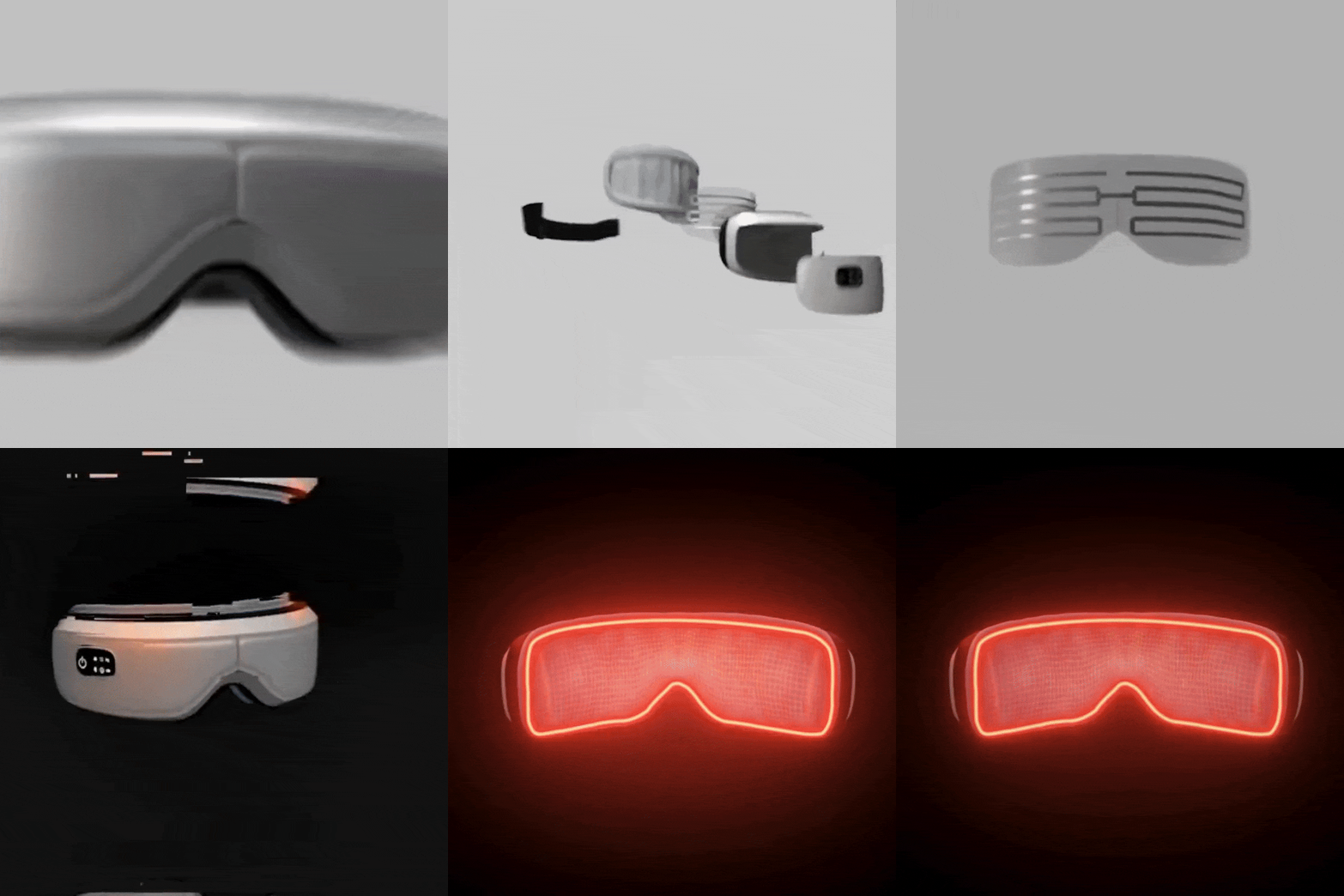
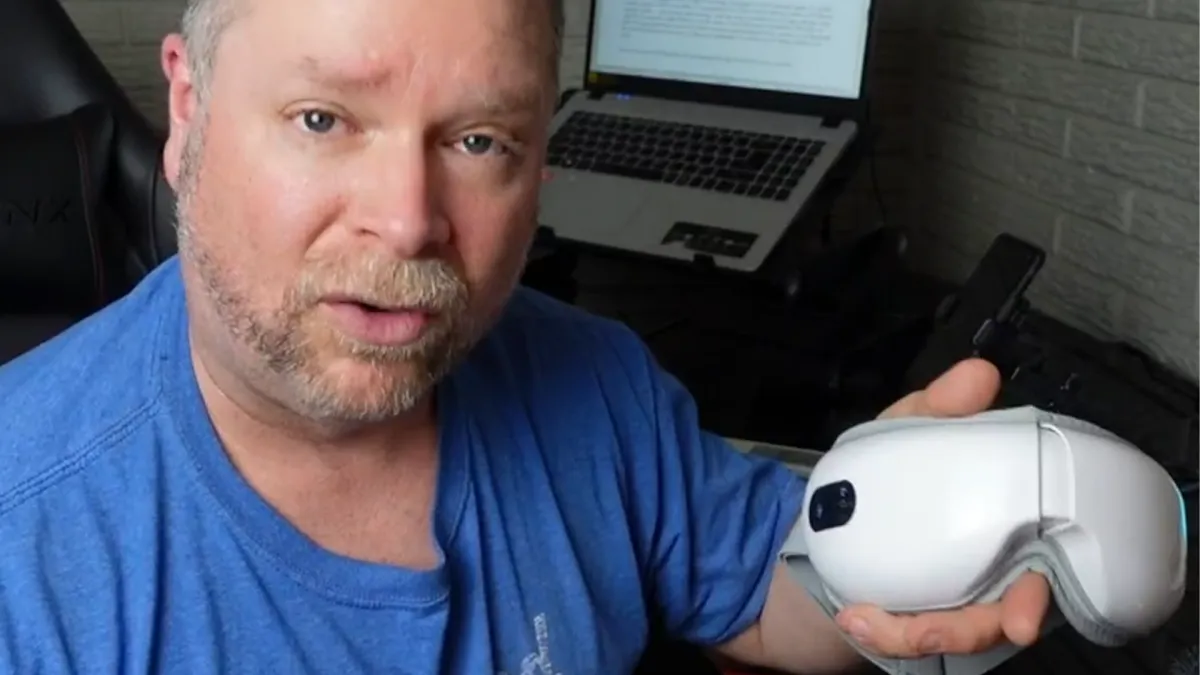
Once I understood the biological mechanism, it became clear why every solution I'd tried had failed.
Blue light glasses filter light wavelengths, but they don't unblock oil glands or release muscle spasms.
It's like wearing sunglasses to treat a muscle cramp—it might reduce irritation, but it doesn't address the root cause.
Eye drops add moisture temporarily, but they evaporate in 10-20 minutes because your blocked glands aren't producing the oil layer that should prevent evaporation.
It's like adding water to a leaky bucket—it fills temporarily, but the leak is still there.
Screen breaks (the 20-20-20 rule) reduce exposure, but they don't reverse the blockage that's already occurred.
After 2 hours of reduced blinking, your meibomian glands are already blocked with thickened oil.
Looking away for 20 seconds doesn't liquefy those secretions or express the glands.
Plus, most people don't actually follow the 20-20-20 rule consistently when they're in flow state working.
Ergonomic monitors and lighting reduce some irritation factors like flicker and glare, but they don't change the fundamental problem.
You're still staring at a near-distance object for hours, which still reduces your blink rate and still locks your ciliary muscles in the same position.
A $1,200 ergonomic monitor might be easier on your eyes than a cheap one, but your meibomian glands still get blocked after 3-4 hours of use.
All of these solutions treat surface symptoms—light exposure, temporary dryness, screen quality—without addressing the root biological cause: blocked meibomian glands and ciliary muscle spasm.
That's why relief is always temporary.
That's why the burning and fatigue come back.
That's why you feel like you've tried everything and nothing works long-term.
But here's what changed everything for me.